Freezing weather, travel turbulence and several fire alarms notwithstanding, the EPIC consortium meeting in Budapest was a definite success, a great beginning for the second year of the project, and an important step to ensure that the we all meet and exceed our goals.
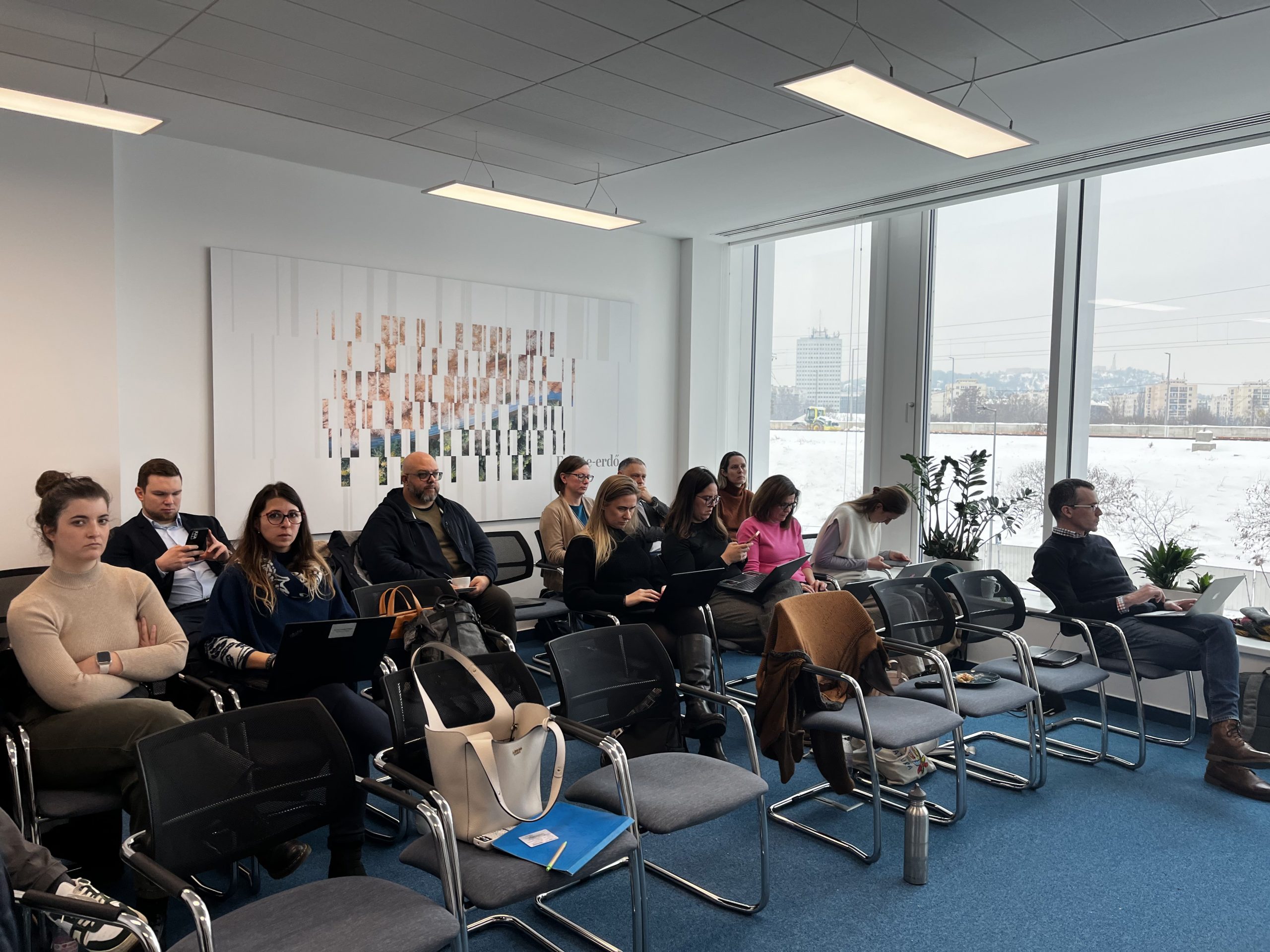
On the 13th of January, due to travel difficulties we gathered by-and-by at DBH’s BudaPart Offices, where we discussed the status of the project, and had lively discussions about forging the international packaging value chains and organising the best practice transfer sessions that are the most important commitments in our second period. Our day continued after lunch with attending the Hungarian Regional Innovation Ecosystem workshop. Our first presenter, Professor Robert Somogyi, Chief Operating Officer of the Hungarian Innovation Agency (NIÜ) discussed government programs to support competitiveness in the country, especially focusing on STEM education from the earliest years and providing guidance for young innovators. Next, Ádám Csécsei, Deputy Director of ESG and Sustainable Finance Centre at EXIM Hungary took a deep dive in the opportunities for green financing in Hungary, and how EXIM’s sustainability measures foster circularity in our country. Lastly, Csongor Biás from Startup Hungary explored the challenges and opportunities of Hungarian innovation. We celebrated EPIC’s excellent first year with a joint dinner at VarjúVár.
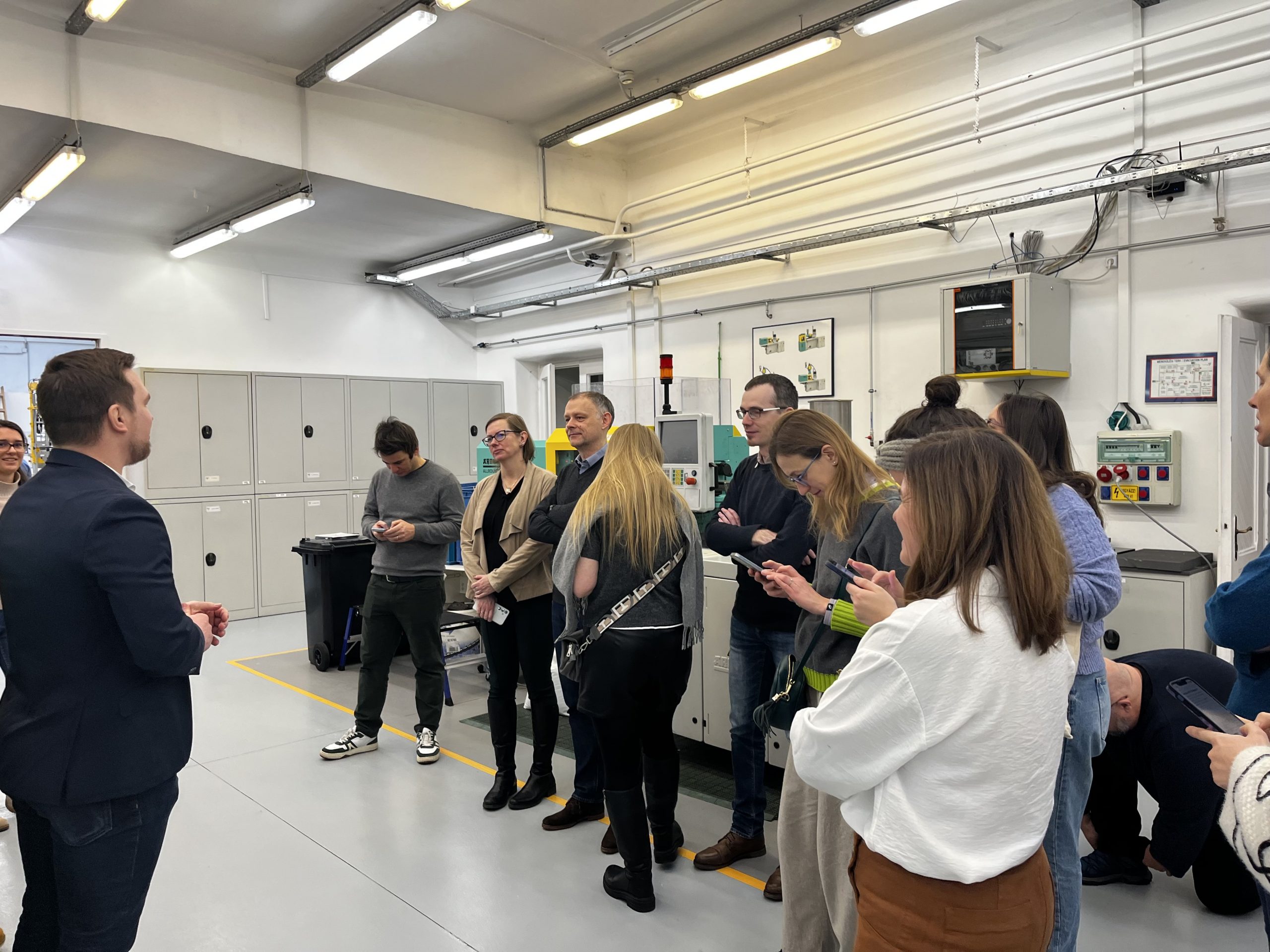
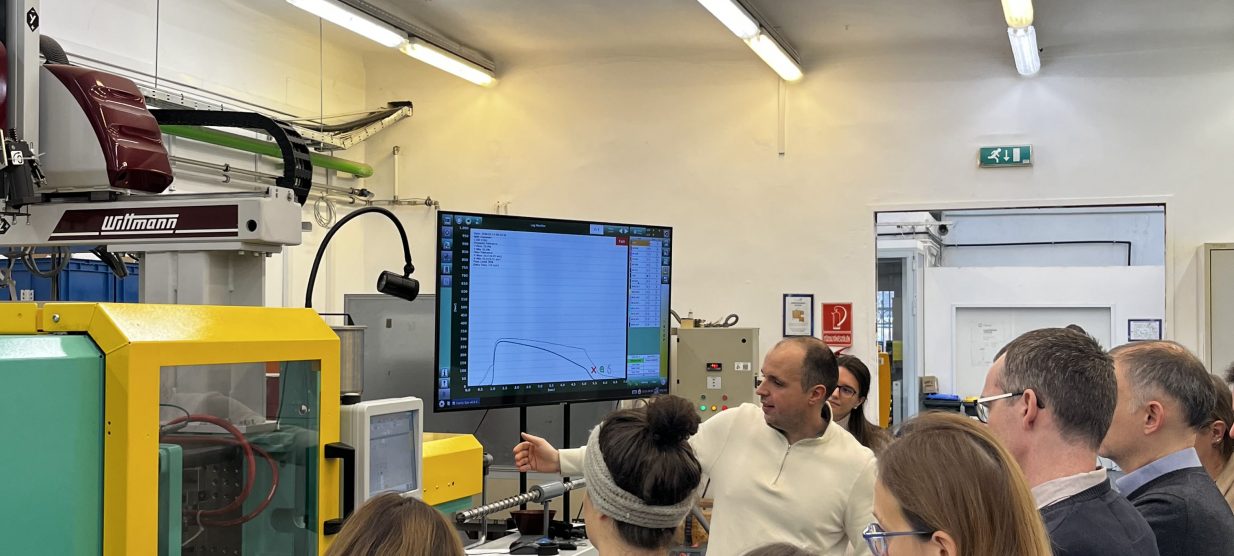
On the second day we visited the Budapest Technological University’s Department of Polymer Engineering, where its researchers immersed us in their cutting-edge explorations and tests pushing the boundaries of conventional and bioplastic. The consortium also met with DBH’s partners, who presented their innovations: Pro-Form showcased their heat-resistant recycled food-grade PET solutions; Filaticum introduced its AI-driven quest to improve biopolymeric filaments for 3D printing; PolymerON described their forays into finding novel applications for recyclates; and last but not least, Plora.AI demonstrated their pilot solution for eliminating empty air from shipping. These introductions will serve as a strong foundation for future collaboration with the project partners’ business network. In the afternoon, we visited Bay Zoltán Applied Research Centre, where we learned about their quest for circularity in the fields of agriculture, new materials, and energy.
The Budapest exploratory visit showcased the best and strongest innovations that Hungary has to offer in packaging: we are looking forward to expanding our joint efforts to promote circularity with our partners in the EPIC project!